
When Peace Becomes Treason, When Empathy Has No Flag
On moral consistency in the Middle East, in an age of partisan outrage and selective grief

The accusation didn’t come from strangers. It came from people I’d shared meals with, volunteered with, people I’d coached. I oppose war and ethnic cleansing by Christians, Israelis, and Islamists alike, and somehow this makes me the extremist in the room.
The rules are simple, once you understand them. You pick a side. You grieve only the right deaths. You condemn only the right bombs. If you support the war but not the leaders, you’ve found a convenient way to dress up what you actually want. And if you refuse — if you insist that two atrocities don’t cancel each other out — then you’ve sided with no one, which means you’ve betrayed everyone.
I know the math. But even as a data scientist, I can’t make it work.
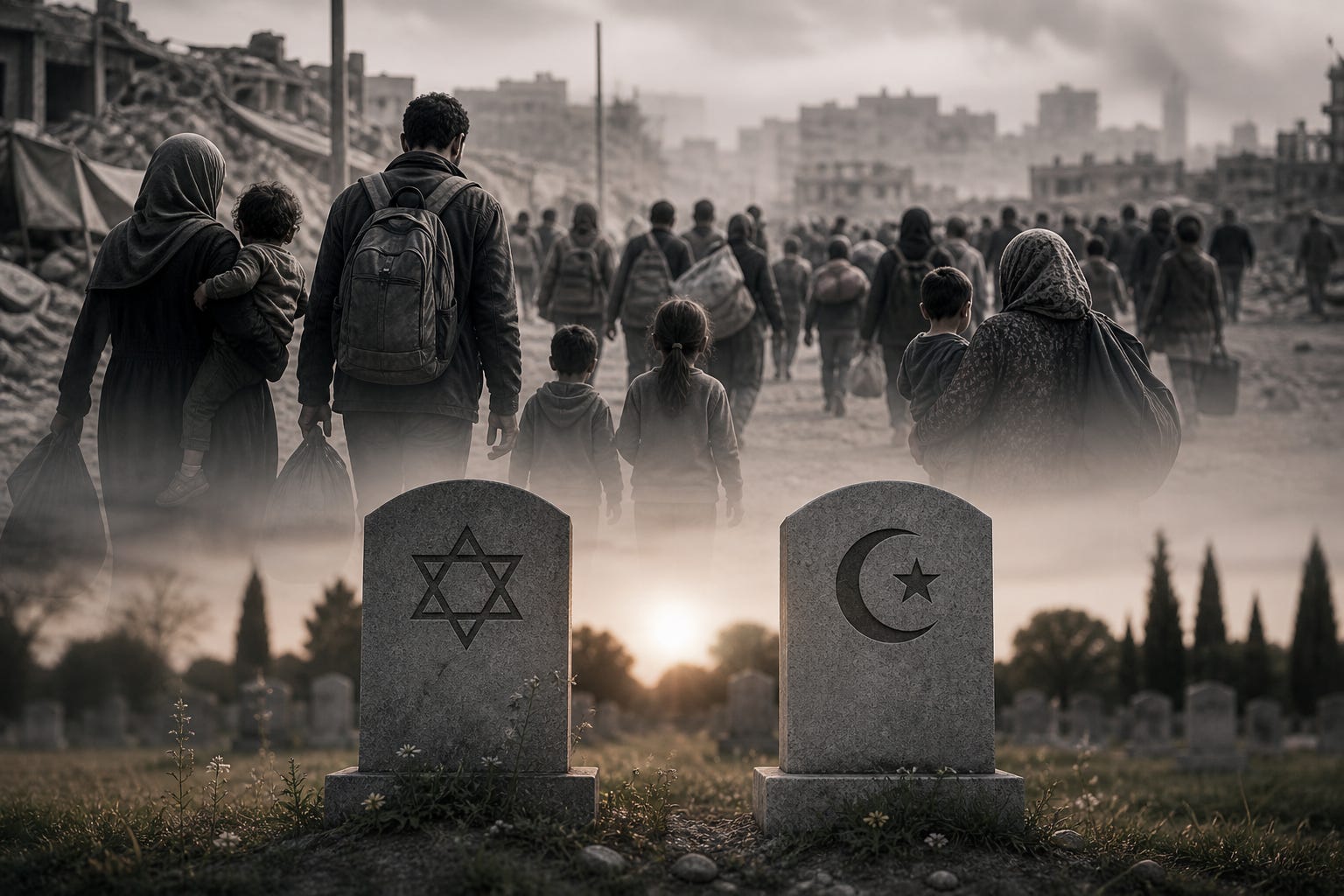
Because some of the people calling me a terrorist sympathizer for opposing unjust warfare have their own record, and it isn’t clean.
One friend posted celebratory emojis the week of October 7th. Now she says I’m siding with monsters because I believe no raid on noncombatants is justified and no child should be orphaned.
Another former colleague cheered the first strikes against Iran as justice long overdue. Now he lectures about the incompetent savagery of war — but not because he wants peace regardless of who’s in office.
Yet another friend spent years defending drone campaigns and arms sales to dictators — policies he could actually influence as a voter — and now presents himself as a principled opponent of violence. He’ll tell you which party is to blame, but while one party is far more authoritarian than the other, the old guards of both parties play that same game.
They don’t oppose war: They oppose the other side’s war. Their outrage is selective, and their moral authority is borrowed from the victims they’d ignore under a slightly different flag.
I don’t know how to grieve selectively. I’ve tried. A parent burying a child looks the same in every country on earth, and I can’t unsee that, and I won’t.
When ordinary people sever old friendships over which victims deserve mourning, the people who started the killing have already won. They didn’t even have to pay for it.
I haven’t changed. I still believe what I believed when those friendships were whole — that every civilian life is non-negotiable. If that makes me a traitor to both sides, I’ll carry it. But I won’t pretend one set of graves matters more than another.